
We specialise in personal injury claims on behalf of injured people. Based in Peterborough.

We're here for you, every step along the way

Accidents can occur anywhere, from the road to the workplace or during everyday activities. Regardless of the circumstances, legal claims for injuries revolve around the concept of "fault." Whether due to a momentary mistake or deliberate actions, if someone is at fault for your injury, the law acknowledges their responsibility.

The legal framework primarily relies on negligence, where someone's behavior puts others at risk, leading to accidents.

Negligence is especially relevant in road accident cases, emphasizing the importance of careful driving. In addition to negligence, statutory laws, including Acts and Regulations, may apply, particularly in workplaces, where employers are obligated to ensure safety. Similarly, premises open to the public must maintain reasonable safety standards, and local councils must maintain roads and pavements.
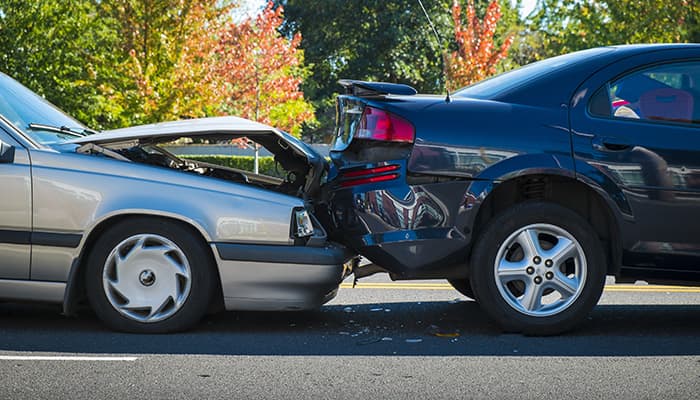

Raod traffic accident (RTA) involving two cars on a city street

Road Traffic Accidents

Careless use of vehicles can be deadly, causing severe injuries and fatalities in road accidents, which can have lasting physical, financial, and emotional impacts.

Road accidents involve various road users and account for approximately 50% of personal injury claims. Drivers are legally required to have insurance to cover injuries or damages caused by negligent driving, and uninsured victims can still receive compensation through insurance companies or the Motor Insurers Bureau. We prioritise your recovery and often collaborate with insurers to fund rehabilitation and support for a quicker recovery after a road accident.

Learn more
First aid support accident in site work, Builder accident fall scaffolding to the floor, Safety team help employee accident.

Accidents at Work

Workplaces, whether factories, warehouses, construction sites, or offices, can be dangerous. Despite the UK's strong workplace health and safety record, accidents can have disastrous consequences. Regulations governing workplaces are generally sensible and effective when followed. Employers bear the responsibility to ensure workplace safety. Universal rules cover issues like slippery floors, tripping hazards, safe lifting, machine usage, and risk assessments. Specific industries and tasks have tailored safety measures, such as construction, working at heights, working with electricity, and dealing with hazardous substances.

Learn more
A caution wet floor sign on stood on a wet floor surface

Public Liability Accidents

Legal responsibility for places or activities can lead to liability when things go awry. Liability applies to premises open to the public, like shops, bars, schools, and hospitals, under the Occupiers Liability Acts. Local councils are accountable for road and pavement upkeep and may face claims due to defective paving or road potholes.

Liability can also extend to accidents on residential premises, including injuries from property hazards or landlord neglect. What's considered reasonable varies by context. For example, roads and pavements need not be flawless, and countryside footpaths may be less smooth than pedestrian areas in town centres. Schools should factor in children's behavior, while event organizers may expect participants to assume some risk but should still take reasonable precautions.

Learn more
A motion blurred photograph of a patient on stretcher or gurney being pushed at speed through a hospital corridor by doctors & nurses to an emergency room.

Serious or Fatal Accidents

Serious accidents can result in severe injuries. It's crucial to secure the right legal support, not only for immediate needs but also for the long term. Beyond financial compensation, the primary aim is to facilitate the best possible recovery. In cases of serious injury, collaborating with the defendant's insurers is vital for funding early medical treatment and rehabilitation. Compensation plays a crucial role in alleviating the financial impact, covering lost earnings, pension losses, and the costs of necessary care and support. It may even involve providing more suitable accommodation. The key principle is to address all changes caused by the injury and restore the injured person and their family to their pre-accident state.

Learn more
Psychologist or psychiatrist records treatment and therapy of couple. Patients have symptoms of depression, stress, appointment. mental health, mental illness.

Psychiatric Injuries

Psychiatric injuries from accidents can be as severe as physical ones. The shock of an accident can lead to conditions like PTSD, causing nightmares, flashbacks, and anxiety. Long-term impacts may result in depression and anxiety, affecting mental health. Brain injuries can worsen these issues. Proper assessment and treatment are crucial for compensation claims and overall recovery, as untreated psychiatric injuries can hinder physical healing.

Learn more
Judges gavel on wooden desk.

Criminal Injuries

Injuries from deliberate assaults are often severe and frightening. Criminal injuries compensation differs from other claims because defendants are typically uninsured. Instead, most cases are directed to the Criminal Injuries Compensation Authority (CICA), a government agency compensating victims of violent crimes. CICA payouts are generally lower than regular personal injury claims, and eligibility criteria apply. Claims can also be made against insured defendants, such as security staff injuring the public or employee-on-employee incidents.

Learn more

How can I pay the legal fees?

We run most cases under some kind of no win, no fee agreement. This means that you can have the confidence that you are protected if your case isn't successful. It also means that we have confidence in your case - we don't get paid if you lose, so if you have a no win no fee agreement, it is because we think you will win.

In most cases, your opponent will contribute towards your legal costs if you win your case. The amount they pay can vary, and sometimes it can even cover all of your legal fees, meaning that you get your damages in full.

Most often, what the defendant pays is fixed by law and won't cover all of your costs. If that happens, we limit the costs you end up paying generally to either 25% or 35% of your compensation for your injuries and past financial losses, although these are maximums and the actual amount you pay may be less.

Personal Injury Accreditation
The Legal 500 United Kingdom Leading Firm 2025

Your local experts, offices in Peterborough.

Open Mon-Fri 9am-5pm. Out-of-hours appointments available.

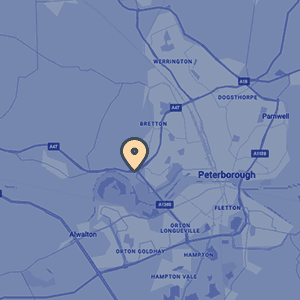
Map of Peterborough, with a map pointer showing the location of the Moons Solicitors office